Industrial Forged Component About
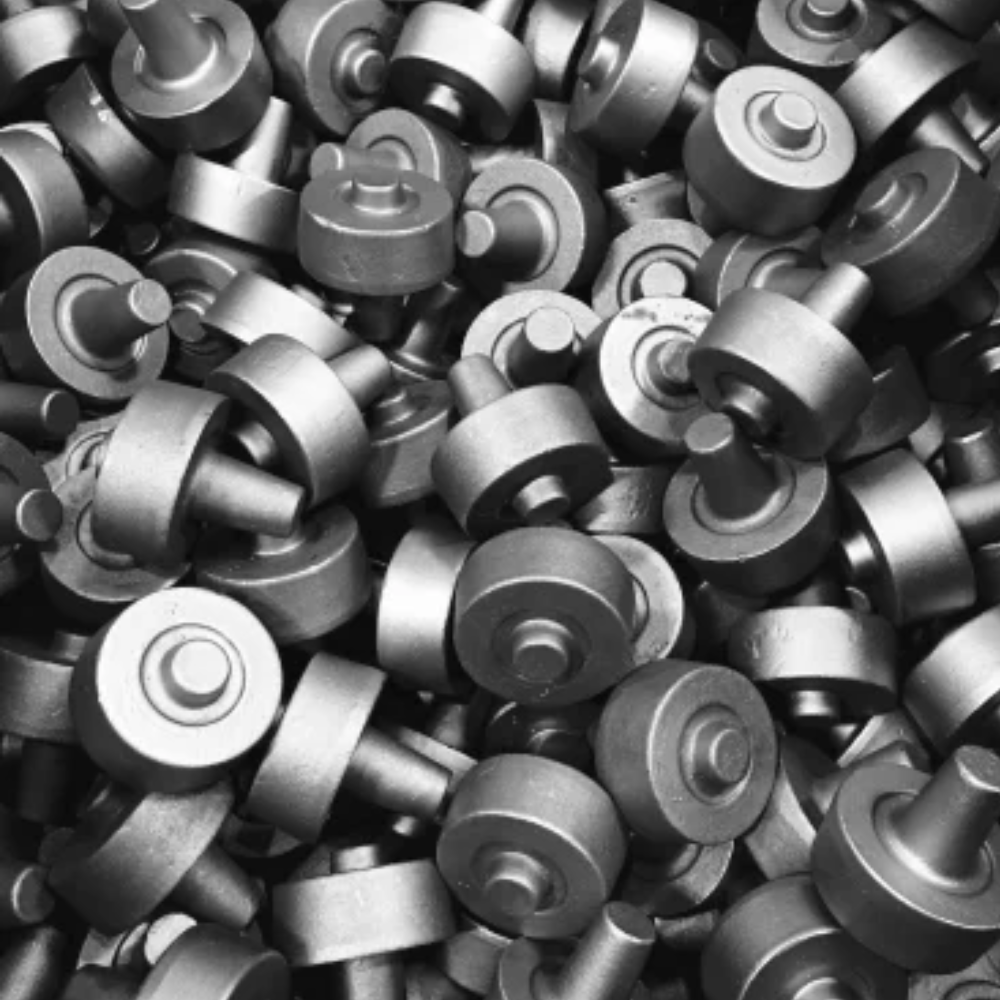
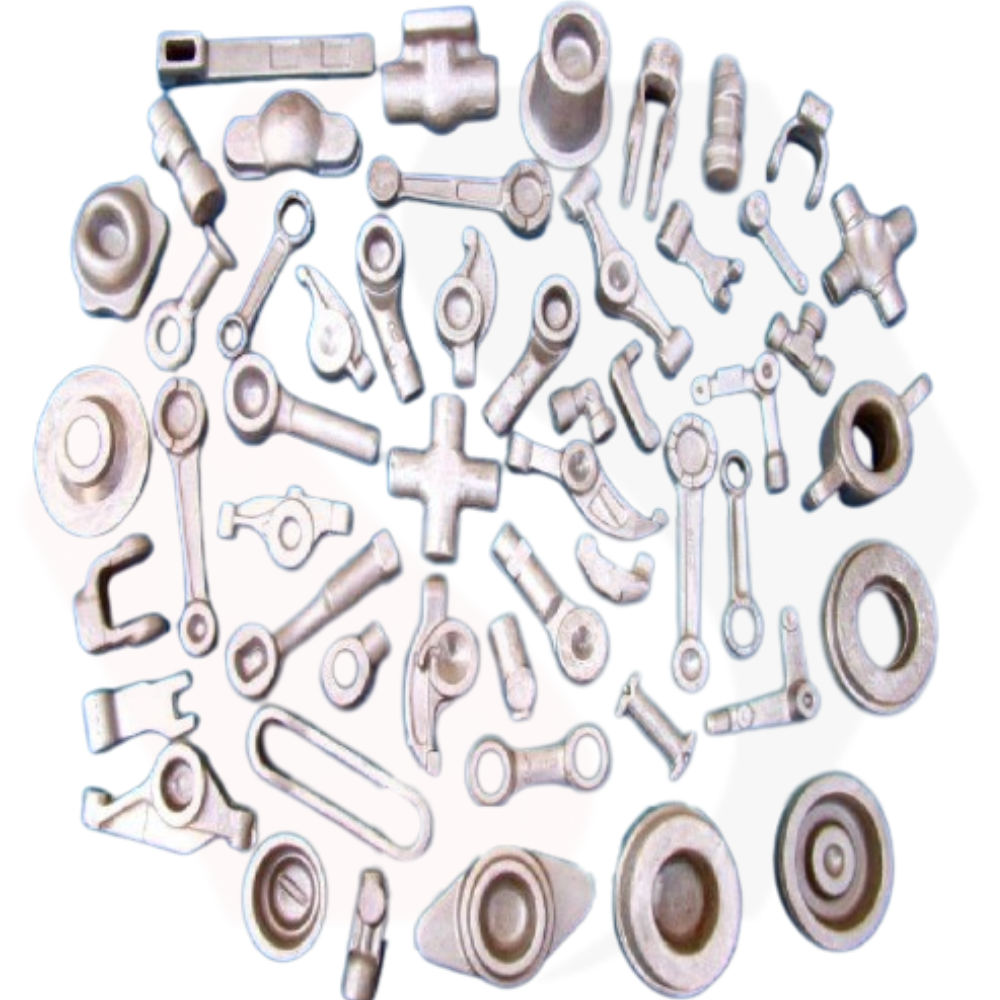
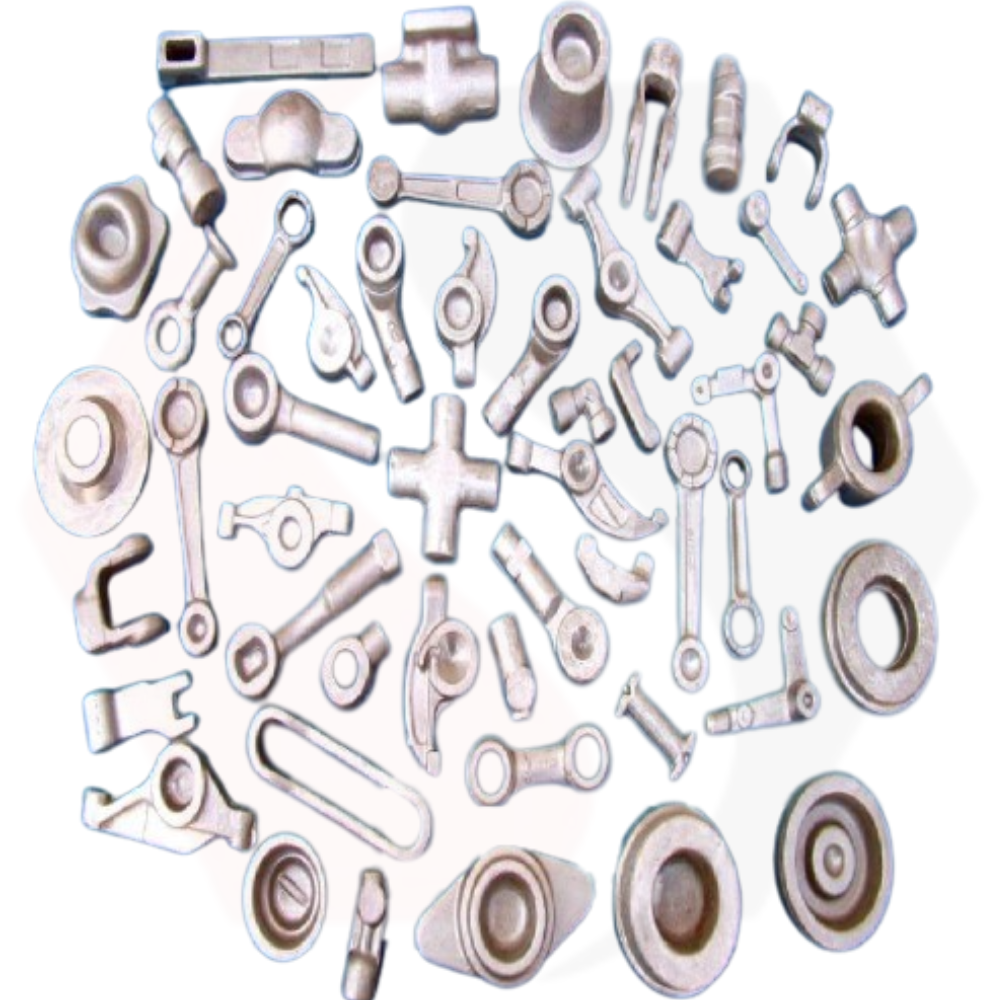
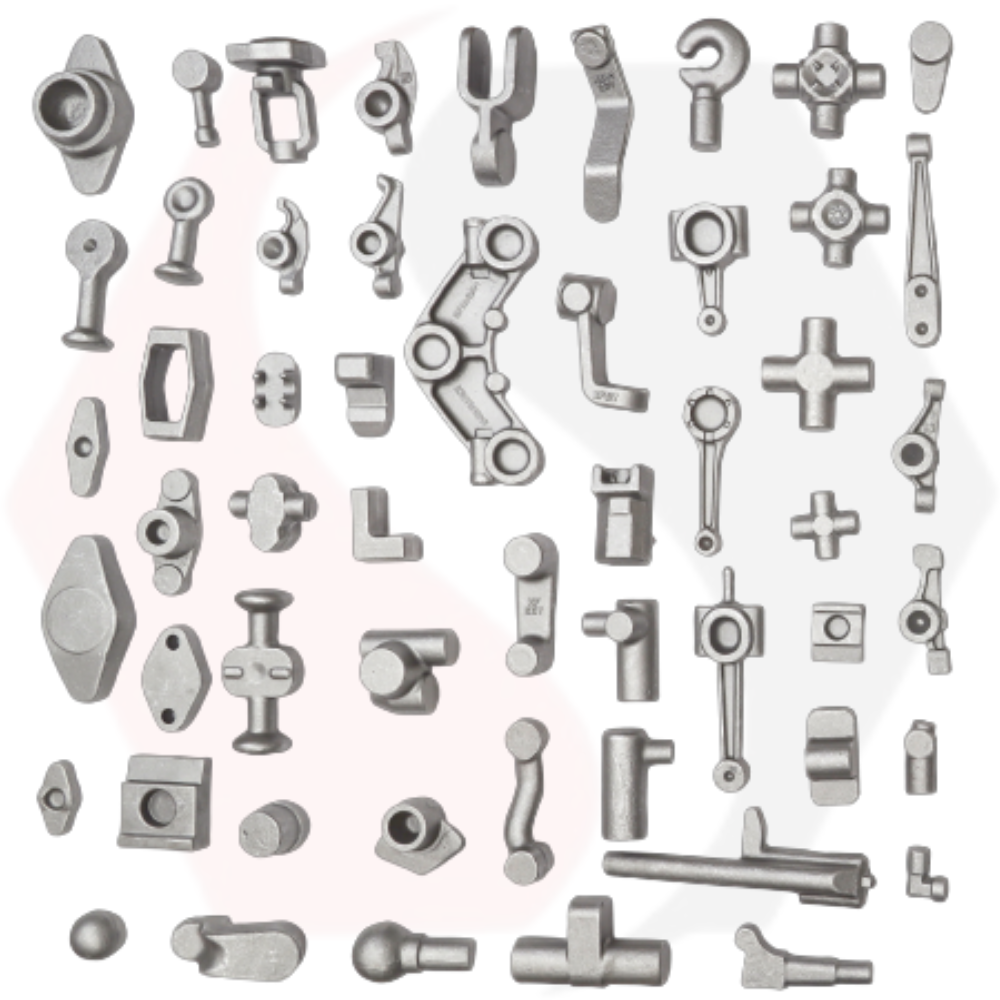
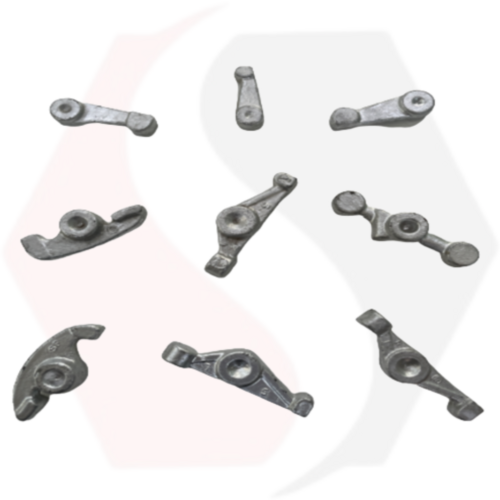
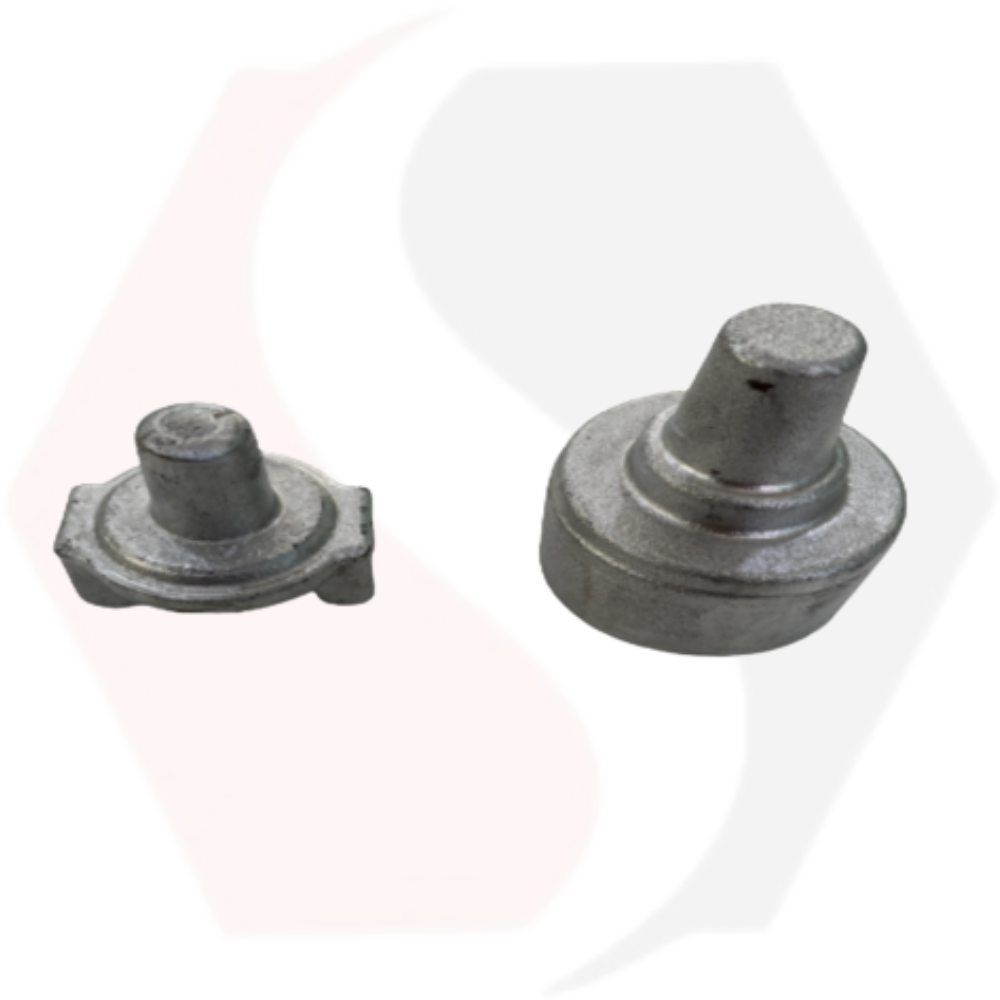
An industrial forged component is a precisionengineered metal part manufactured by deforming solid metal under controlled compressive forces typically using opendie closeddie or ringrolling forging processes During forging the metal is heated to a specific temperature and shaped using mechanical or hydraulic presses or hammers allowing the internal grain flow to follow the contour of the component This refined grain structure significantly enhances mechanical strength toughness impact resistance and fatigue life
Industrial forged components are preferred for highload highstress and safetycritical applications because they offer superior performance compared to cast or fabricated parts The forging process minimizes internal defects such as porosity and shrinkage ensuring uniform material integrity and dimensional stability These components can be produced from a wide range of materials including carbon steel alloy steel stainless steel aluminum titanium and nickelbased alloys and can be further enhanced through heat treatment machining and surface finishing to meet exact technical specifications
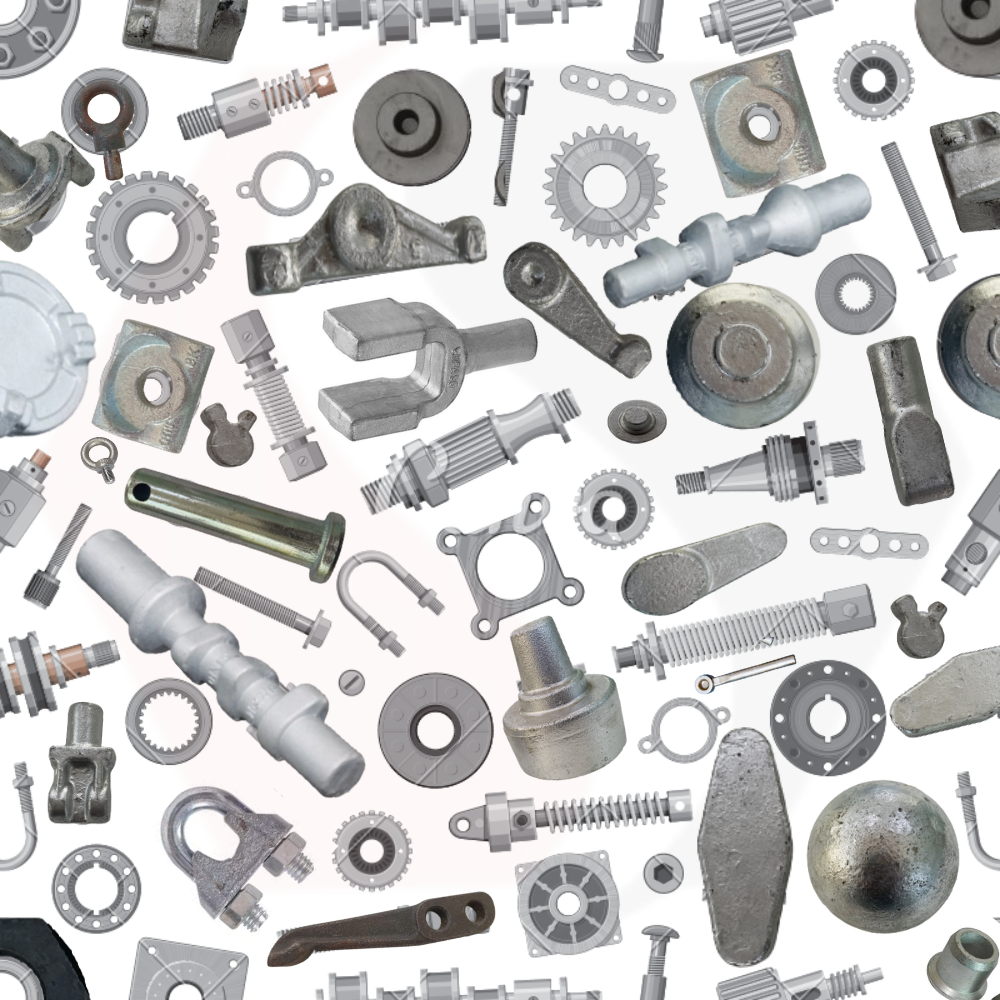
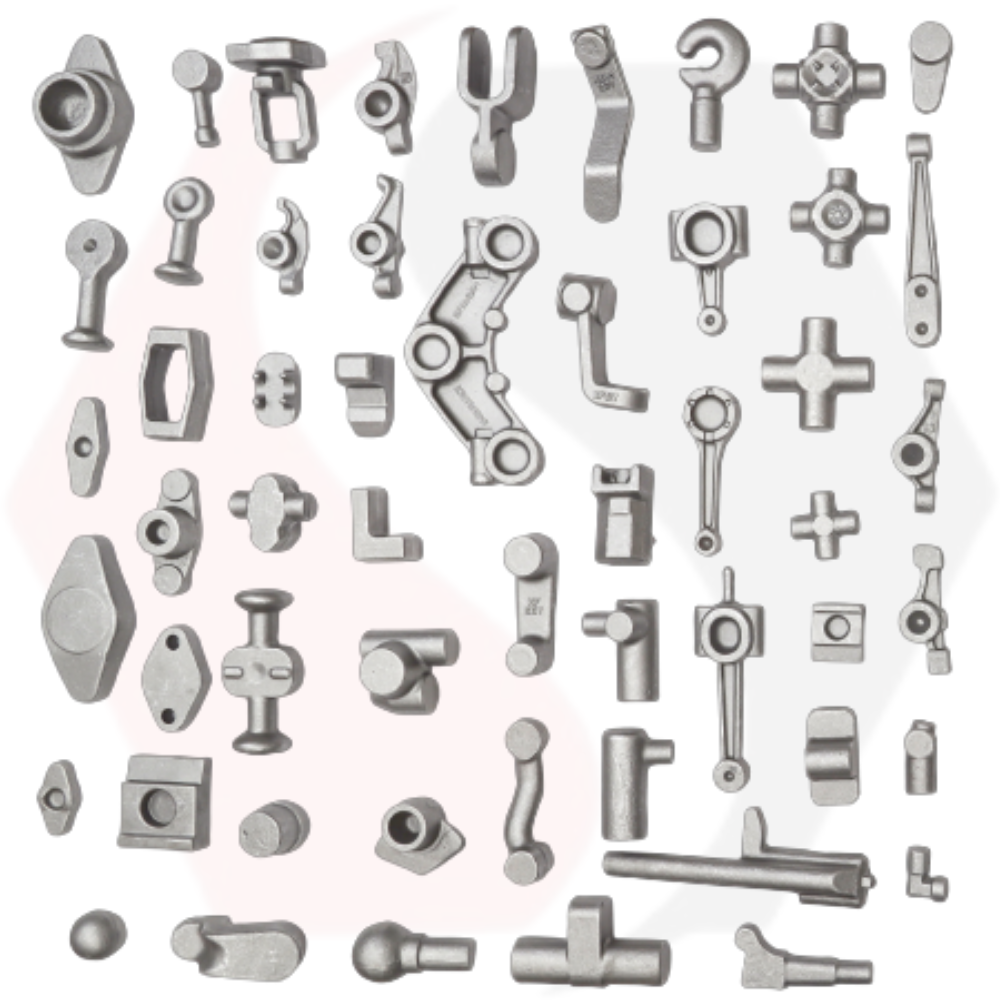
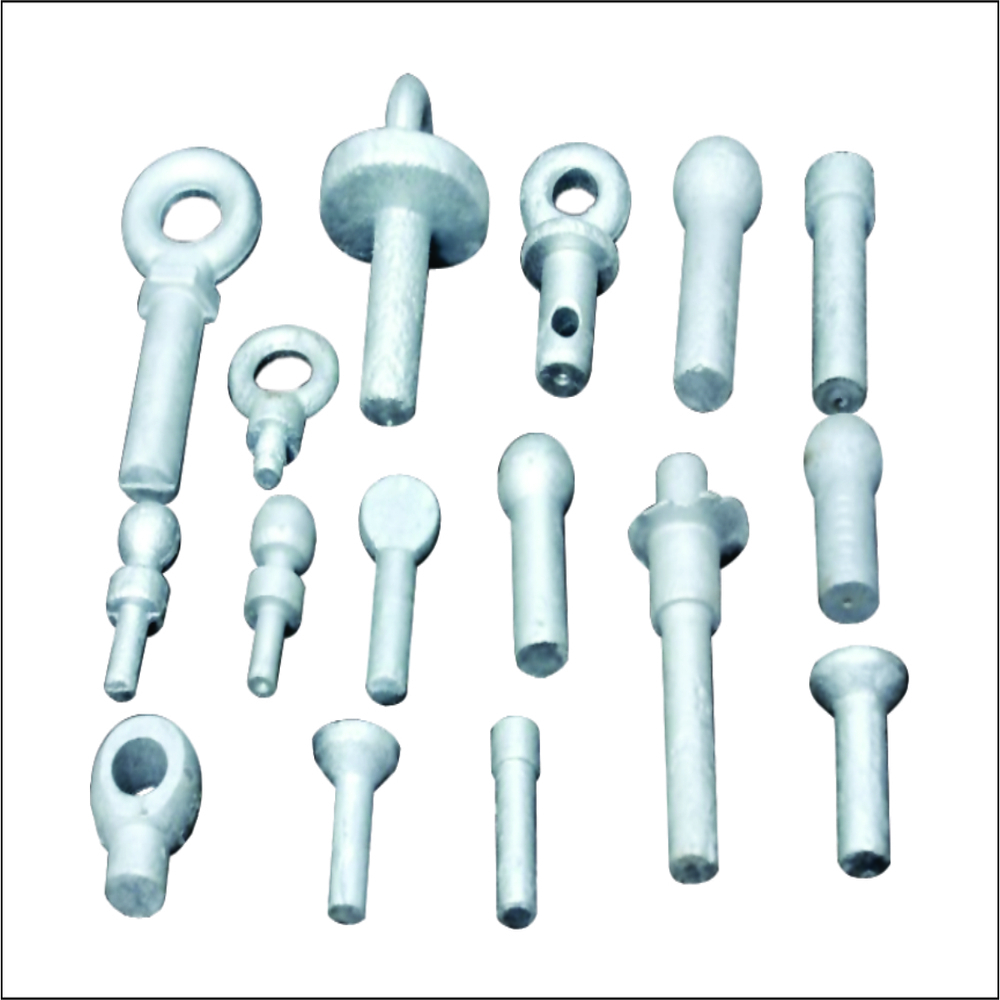
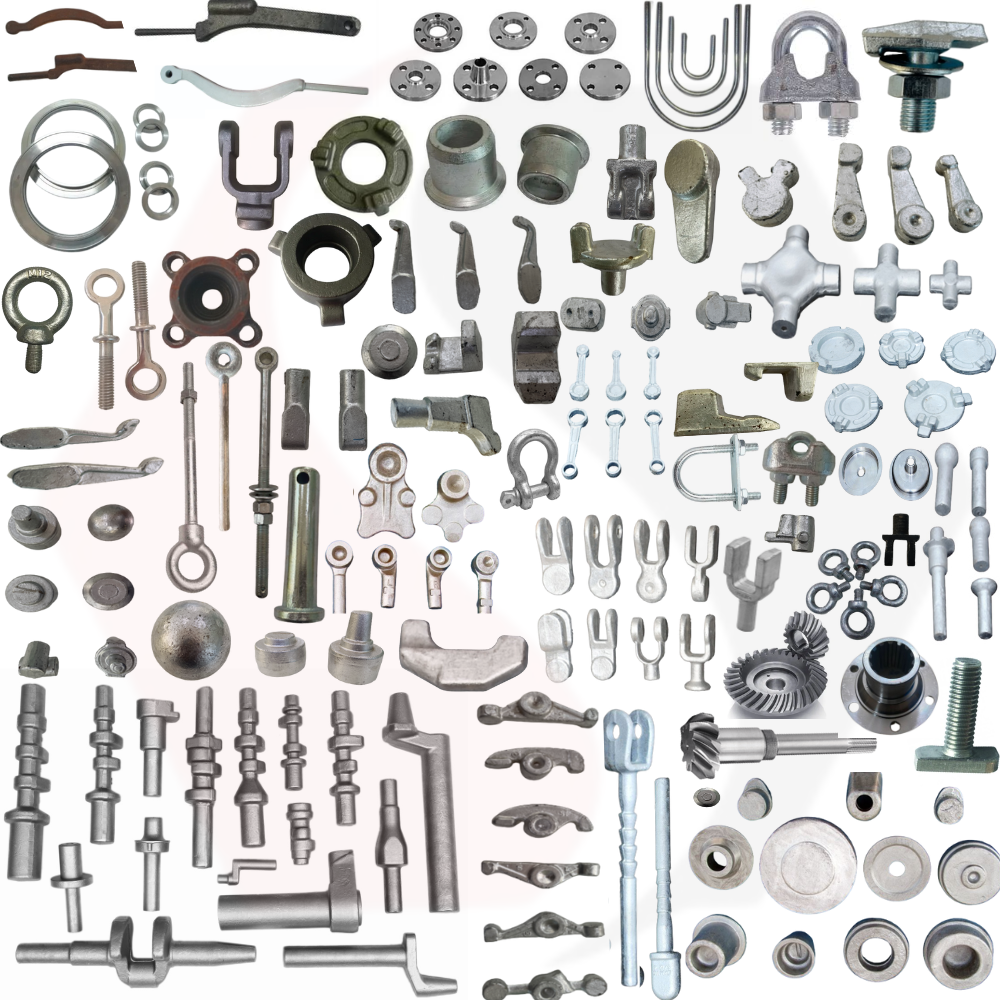
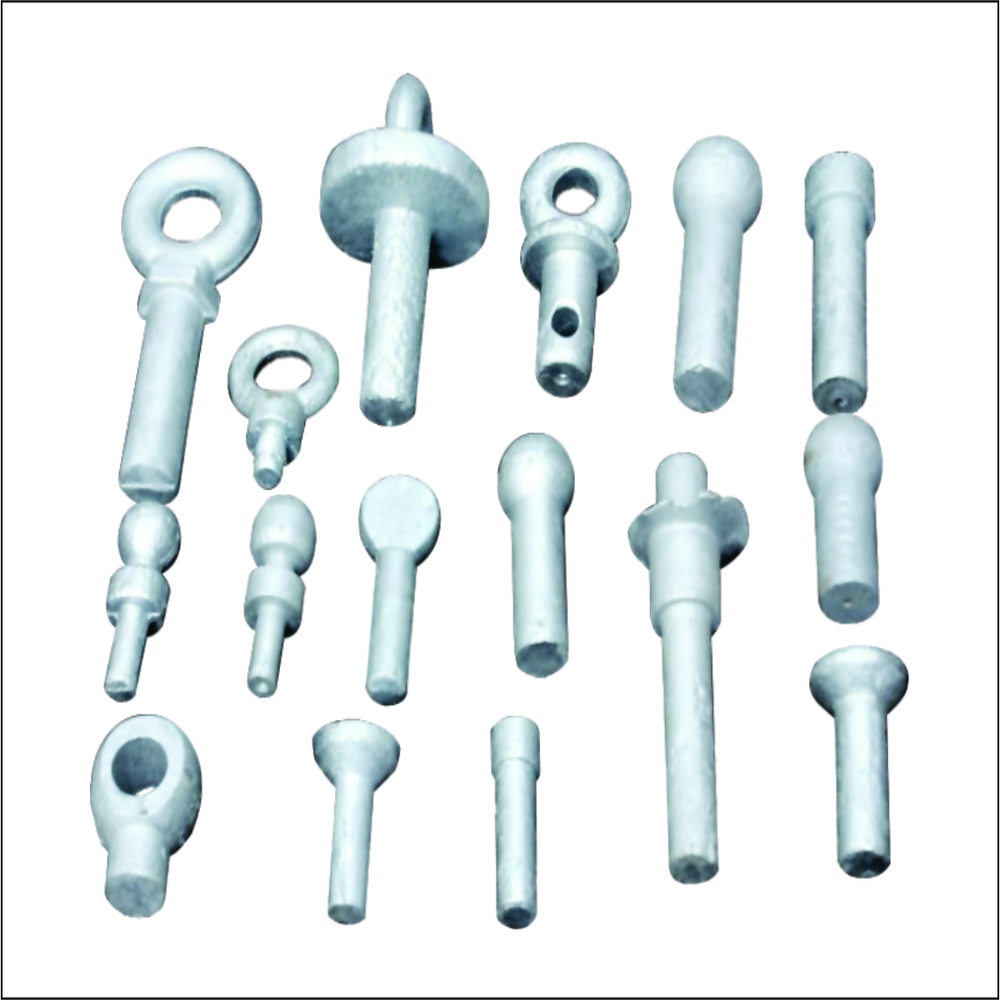
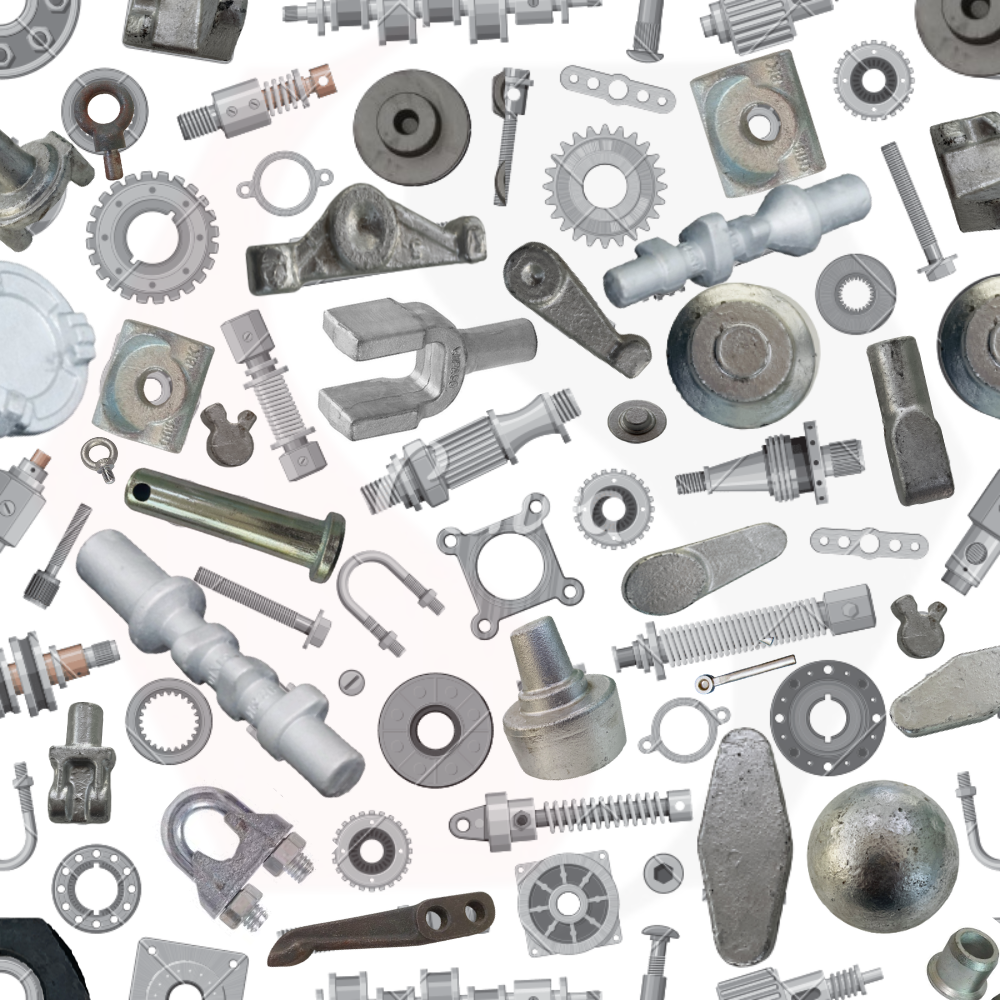
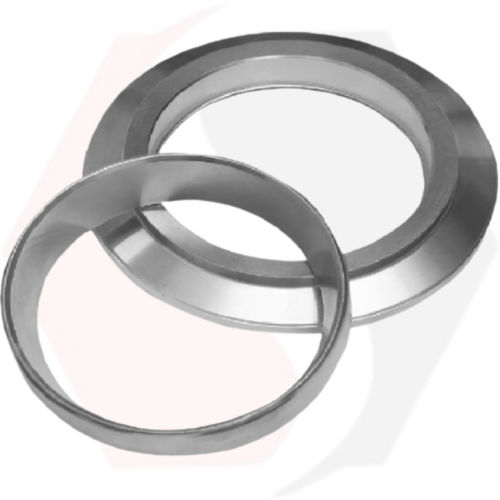
Commonly used across industries such as automotive heavy engineering oil gas power generation aerospace railways mining and construction industrial forged components include shafts flanges rings gears couplings crankshafts and structural parts Their ability to withstand extreme temperatures pressures and cyclic loads makes them essential for applications where long service life safety and reliability are critical
High-Strength, Customizable SolutionsOur forged components, crafted through hot forging, deliver exceptional mechanical properties tailored to your needs. With tensile strengths up to 900 MPa and yield strengths of 650 MPa, these components are ideal for demanding industrial and automotive uses, offering versatility in material composition, dimensions, and finishes.
Precision & Compliance AssuredWe adhere to stringent industry standards-ASTM, IS, DIN, or your specified requirements-ensuring every part meets exacting tolerances (0.1 mm) and quality benchmarks. From rough to precision-machined finishes, each component is designed to deliver optimal performance and reliability.
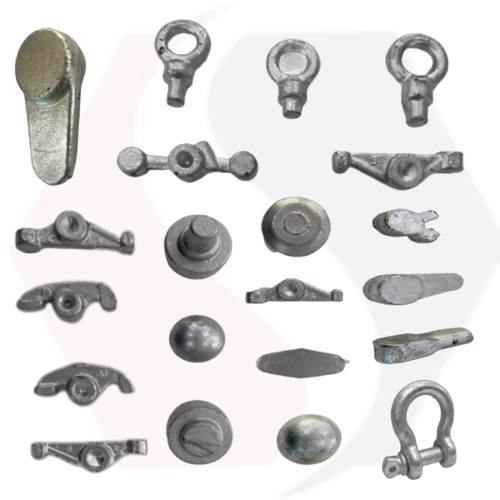
Flexible Packaging and Surface ProtectionCorrosion resistance is achieved through specialized surface treatments such as galvanizing or painting, extending component lifespan. Packaging options include robust wooden boxes or custom solutions to safeguard products during transit, suitable for both bulk and precision orders.
FAQ's of Industrial Forged Component:
Q: How are the forged components produced and what technology is used?
A: These industrial components are created using advanced hot forging technology, which enhances their mechanical strength and durability. The process involves heating the metal and shaping it with high-pressure machinery to ensure optimal grain structure and toughness.
Q: What materials can be selected for these forged products?
A: Customers can choose from a variety of materials including carbon steel, alloy steel, stainless steel, or any other specified alloy, depending on the intended application and required properties.
Q: When should I opt for precision-machined finishing versus a rough or semi-finished part?
A: Precision-machined finishes are recommended when tight tolerances and high surface quality are critical to your application, such as in automotive or specialized machinery. Rough or semi-finished parts are suitable for subsequent processing or less sensitive uses.
Q: Where can these forged components be applied?
A: They are widely used in the automotive sector for parts like chassis, suspension, or transmission components, as well as in general machinery and industrial applications requiring high mechanical strength and precision.
Q: What benefits do surface treatments provide to the forged components?
A: Surface treatments like galvanizing, painting, or custom coatings impart corrosion resistance and extend the component's service life, making them suitable for harsh environments or outdoor applications.
Q: How does your manufacturing process ensure product consistency and quality?
A: Our process follows international standards (ASTM, IS, DIN) and customer-specified protocols, with adherence to strict dimensional tolerances and thorough quality checks throughout production. OEM services and customized production further ensure that every component meets specific application needs.
Q: What are the options for packaging and delivery?
A: Packaging is tailored to customer requirements, with standard offerings like sturdy wooden boxes designed to protect products during transport. Packaging can be adjusted for bulk shipments or specialized handling as needed.




 Send Inquiry

 Send Inquiry


