Agricultural Machinery Forgings About
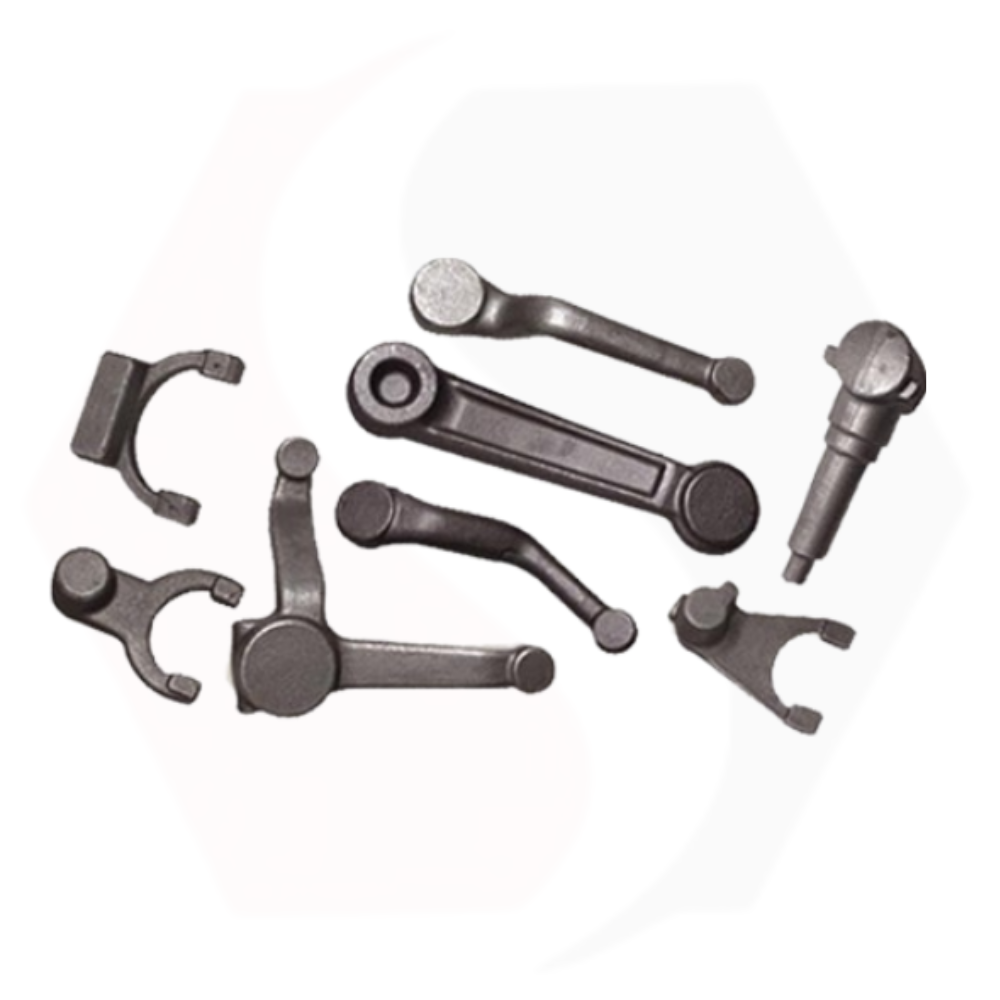
Agricultural machinery forgings are rugged, high-performance metal components engineered to meet the demanding requirements of modern farming equipment. Produced through precision forging processes, these parts are shaped under intense heat and pressure, resulting in a refined grain structure that delivers superior strength, toughness, and wear resistance compared to cast or machined components.
Used in a wide range of agricultural equipment such as tractors, harvesters, tillers, plows, seeders, and balers these forgings are critical for ensuring reliable operation in harsh environments. They can withstand heavy loads, repetitive impact, abrasion, and exposure to dirt, moisture, and chemicals commonly encountered on farms.
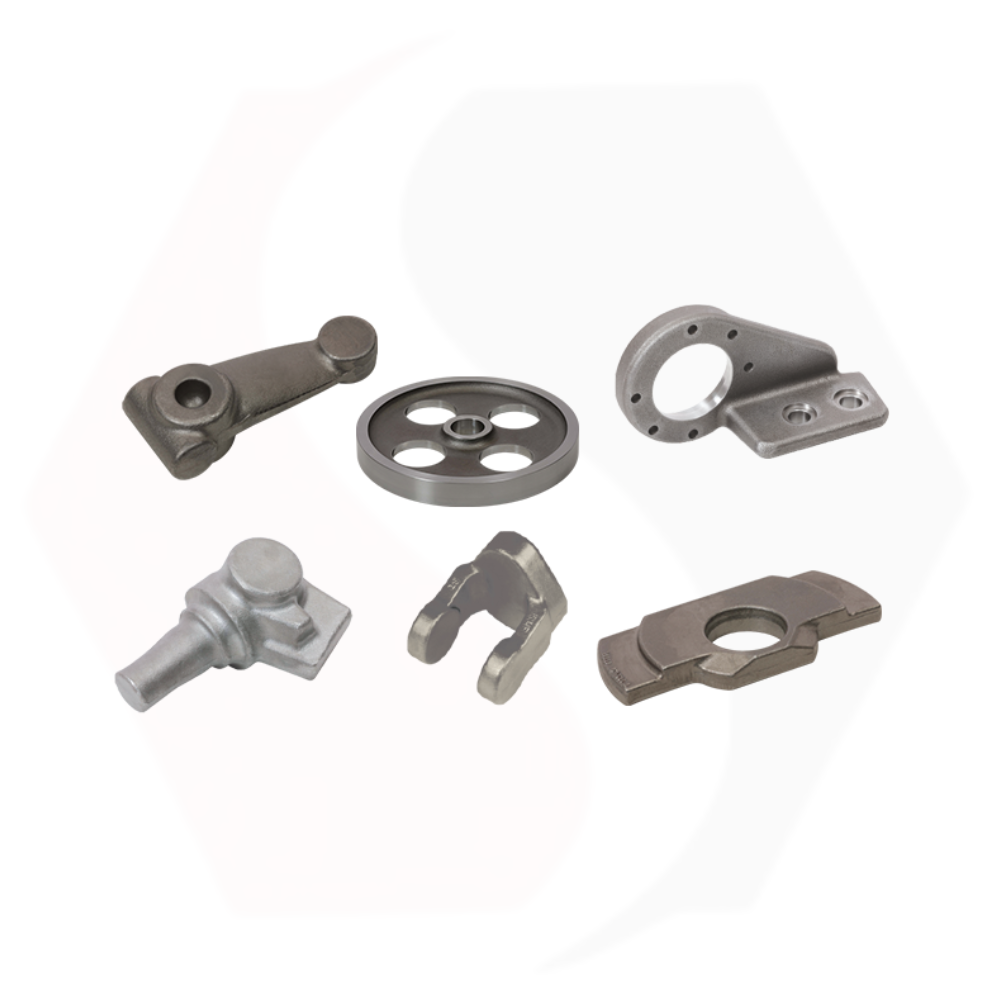
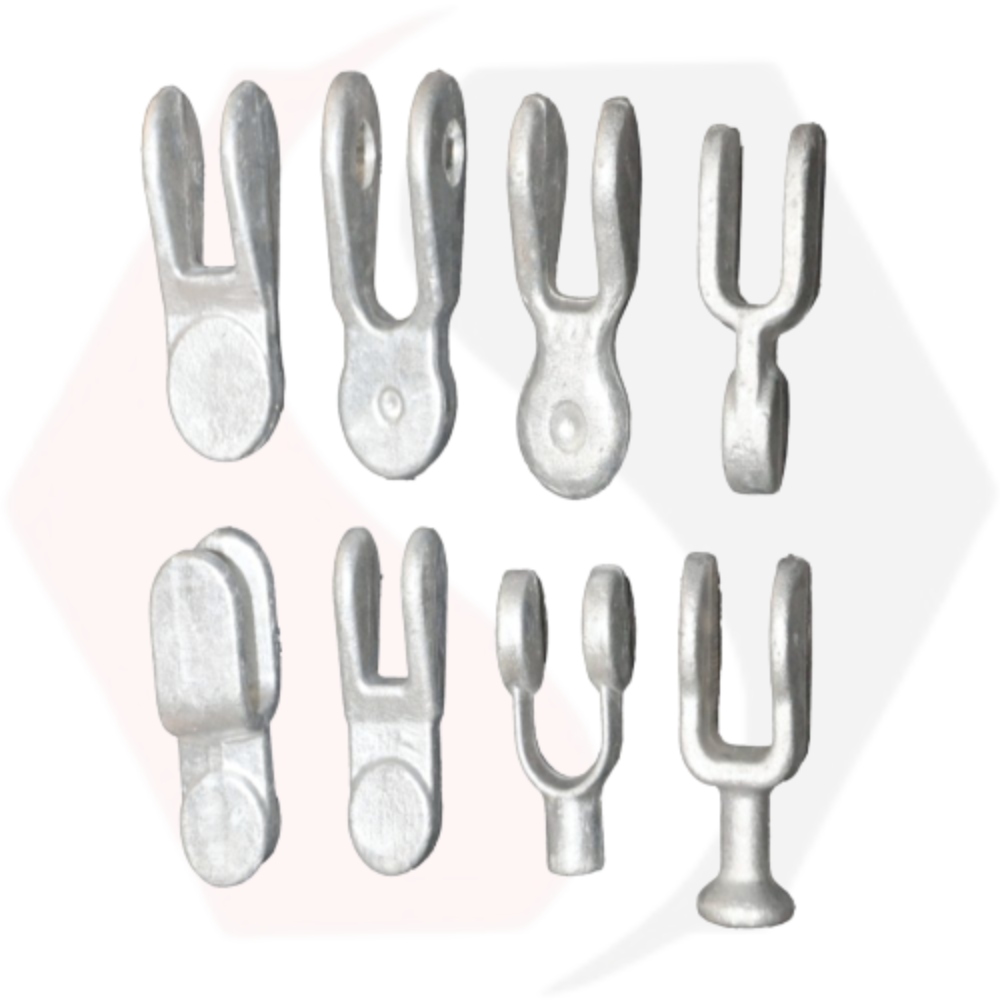
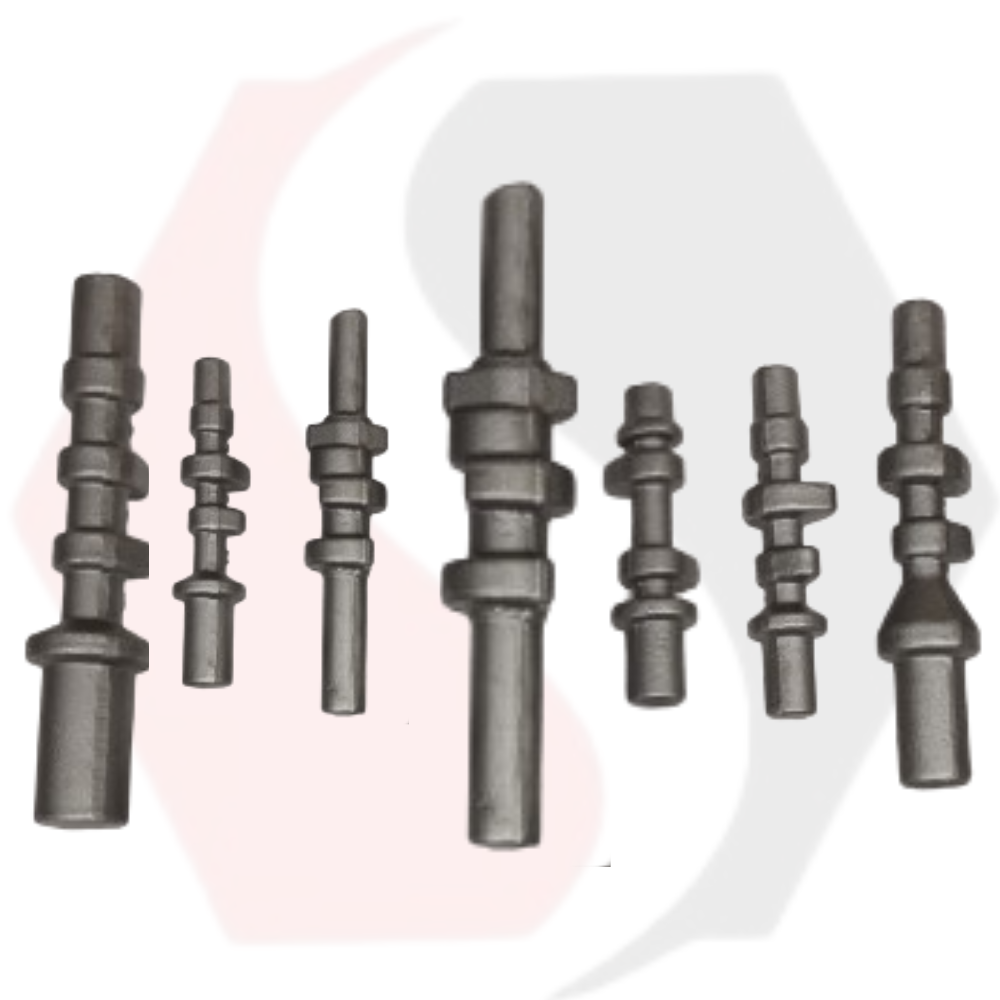
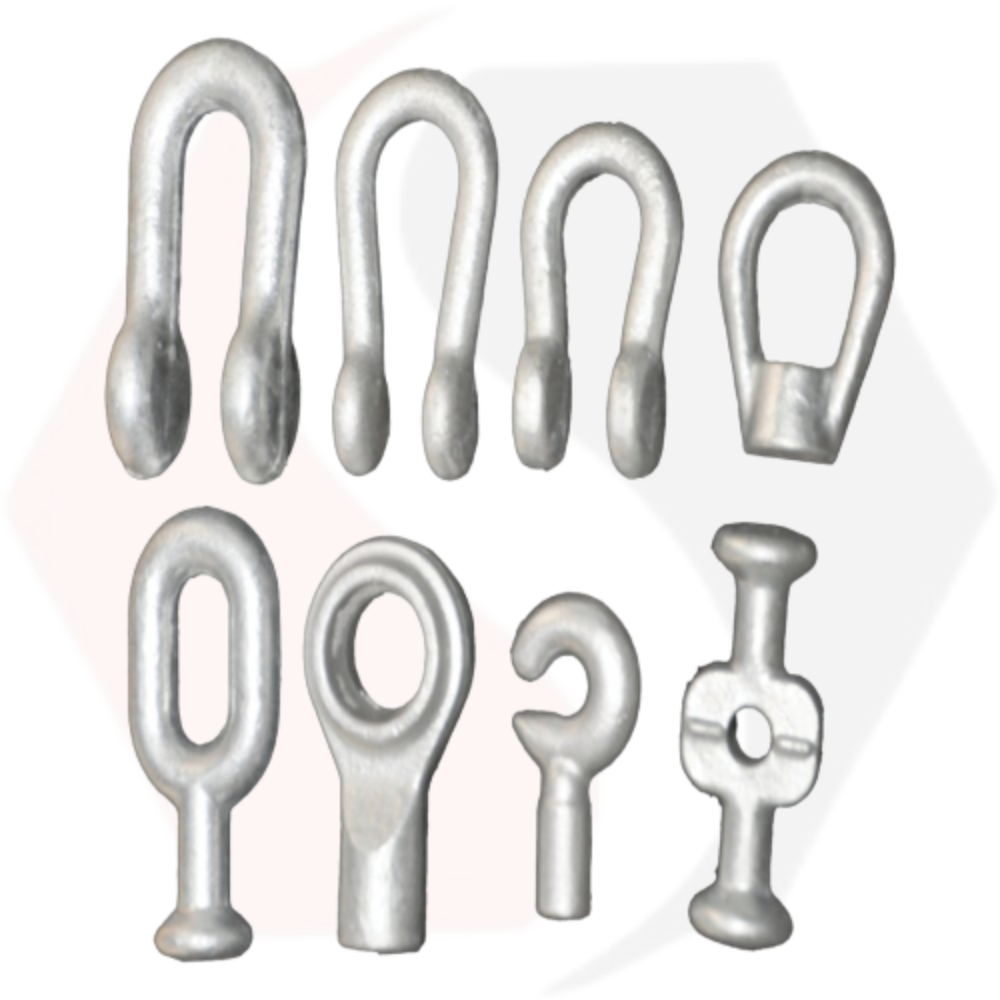
Typical forged components in agricultural machinery include gears, shafts, connecting rods, hinges, yokes, axle parts, and various drive train and structural elements. Materials like alloy steel, carbon steel, and stainless steel are selected based on the performance requirements, ensuring excellent mechanical properties and long service life.
After forging, components often undergo precision machining, heat treatment, and surface finishing to achieve tight tolerances and enhance durability. Customization options allow manufacturers to tailor shapes, sizes, and material specifications to meet specific equipment needs.
Overall, agricultural machinery forgings deliver enhanced reliability, improved safety, and reduced maintenance costs, making them essential for high-performance and long-lasting agricultural equipment.
Precision Engineered for Demanding Field WorkThese forgings are designed for rigorous agricultural environments, accommodating customized shapes and dimensions to suit specific machinery. Their compatibility with bolt-on and weld-on systems allows seamless integration with tractors and implements, delivering both strength and adaptability for various applications.
Durable Materials and Advanced TreatmentsForged from premium alloy or carbon steel, each component receives an optimal surface treatment-be it coating, shot blasting, painting, or anti-rust finishes. The result is outstanding wear and corrosion resistance, ensuring longevity despite continuous heavy-duty use.
Custom Solutions with Reliable ProductionWith a monthly production capacity of 5,000 pieces and full OEM support, we respond quickly to diverse industry needs. Every piece is subject to rigorous quality checks, precision machining upon request, and careful packing in gunny bags or wooden crates for safe delivery and installation.
FAQ's of Agricultural Machinery Forgings:
Q: How are your agricultural machinery forgings produced to ensure tight tolerances and durability?
A: Our forgings are manufactured using the hot forging process, followed by precise CNC machining where required. Every piece is crafted to a tolerance of 0.05 mm and undergoes heat treatment processes such as normalization or quenching and tempering. This combination ensures superior strength, wear resistance, and dependable performance in demanding field conditions.
Q: What types of agricultural equipment are compatible with these forgings?
A: These forgings are designed for use with a wide range of agricultural machinery, including tractors, harvesters, tillers, and various implements. Their bolt-on or weld-on connections allow flexibility and straightforward installation for most heavy-duty equipment.
Q: When should I choose CNC machined components or custom dimensions?
A: If your application requires exact fitment or surface finish, selecting CNC machined forgings and specifying custom dimensions is recommended. We accommodate unique requirements to ensure seamless operation and the highest level of reliability.
Q: Where can I use these forgings and what is their load capacity?
A: These components are ideal for heavy-duty field use in industrial agricultural environments. Each forging supports a load capacity of up to 5 tons, making them suitable for demanding applications with tractors or large implements.
Q: What is the benefit of the surface treatments applied to these forgings?
A: Surface treatments such as coating, shot blasting, painting, or anti-rust applications significantly enhance corrosion resistance and protect against wear, extending the working life of each component, even under harsh outdoor conditions.
Q: How long do these agricultural machinery forgings typically last and what factors influence their lifespan?
A: With proper use and maintenance, these forgings can serve up to five years. Their longevity is influenced by factors such as load, frequency of use, environmental conditions, and adherence to recommended lubrication schedules.
Q: Do you offer OEM services and how can I request customized specifications?
A: Yes, we provide comprehensive OEM services. You can request customization of materials, shapes, machining, and finishes to match your specific requirements. Please share your technical drawings or requirements with our team for a tailored solution.





 Send Inquiry

 Send Inquiry


